Quick Answer
The most expensive hidden maintenance problems in Manteca homes are
slow plumbing leaks, sewer lateral damage from tree roots, overworked HVAC systems, hard-water damage to water heaters, roof and attic heat damage, termites, foundation movement in clay soil, clogged dryer vents, and irrigation leaks. Most start small and invisible. Catching them with twice-yearly inspections usually costs a few hundred dollars; ignoring them can run into the thousands and, in a rental, create habitability problems under California law.
Why Manteca Homes Have Their Own Maintenance Profile
Manteca's housing stock is a mix of older homes near downtown and Yosemite Avenue, 1990s–2000s subdivisions, and newer builds out toward the 120 Bypass and River Islands area. Add
100°F+ summer days,
mineral-heavy water,
expansive clay soil, and mature street trees, and you get a predictable set of problems that rarely show up until they're costly.
1. Slow Leaks Under Sinks and Behind Walls
A pinhole leak behind a dishwasher or a failing supply line under a bathroom sink can run for months before anyone notices warped cabinets or a musty smell. By then, you may be paying for subfloor repair and mold remediation.
Catch it early: Check under sinks during every inspection, look for stains on baseboards, and watch for an unexplained jump in the water bill.
2. Sewer Lateral Damage From Tree Roots
Many established Manteca neighborhoods have mature trees whose roots seek out older clay or cast-iron sewer laterals. The first sign is usually a slow drain or a backup on a holiday weekend.
Catch it early: A sewer camera inspection runs a fraction of the cost of an emergency dig-up. It's smart before buying, and every few years for older homes.
3. HVAC Systems Working Overtime
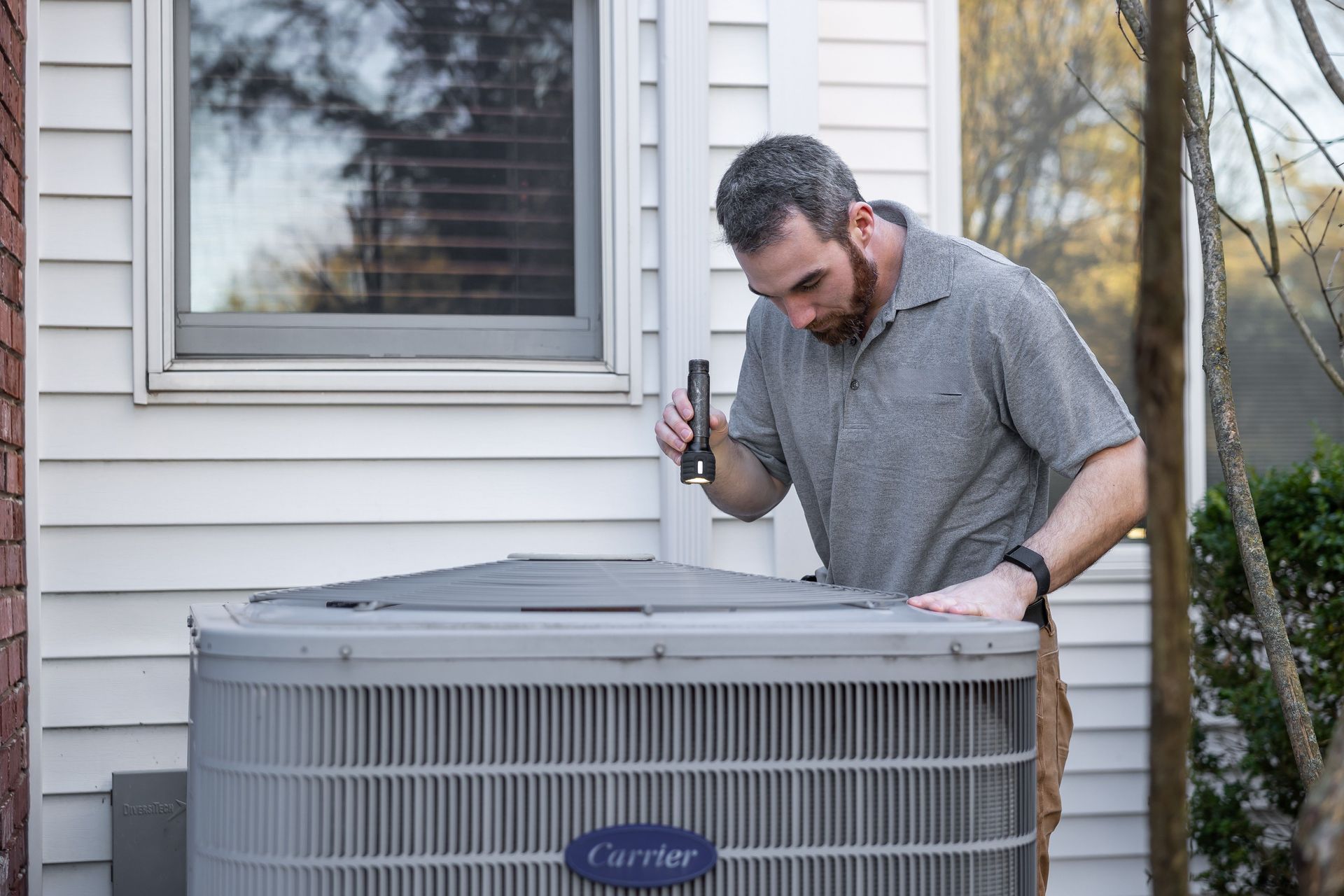
Central Valley summers push air conditioners hard. Dirty filters, clogged condensate lines, and low refrigerant shorten system life, and a mid-July breakdown means emergency pricing. In a rental, a lack of working heat is a habitability issue under Civil Code §1941.1, and extended AC failures in extreme heat create urgent tenant complaints.
Catch it early: Replace filters every 1–3 months, flush the condensate line, and schedule service each spring before the heat arrives.
4. Hard Water Eating Your Water Heater
Valley water carries minerals that build up as sediment in tank water heaters, reducing efficiency and causing that popping or rumbling sound. Scale also clogs faucets, showerheads, and appliance valves.
Catch it early: Flush the water heater annually, check the anode rod, and confirm the seismic straps and pressure relief valve line meet code.
5. Roof and Attic Heat Damage
Intense sun breaks down shingles faster, and poor attic ventilation bakes the roof from underneath. Small cracks around vents and flashing let winter rain in, and you won't see it until there's a ceiling stain.
Catch it early: Have the roof looked at after summer, before the rainy season, and clear gutters each fall.
6. Termites and Wood Damage
Subterranean and drywood termites are both active in San Joaquin County. Damage often hides in the garage, eaves, decks, and fences.
Catch it early: A termite inspection every couple of years, and keeping soil and mulch away from wood siding, goes a long way.
7. Foundation Movement in Clay Soil
Much of the area sits on clay soils that swell when wet and shrink when dry. Over time that movement can show up as diagonal drywall cracks, sticking doors, or gaps at window corners.
Catch it early: Keep irrigation consistent around the foundation, make sure downspouts drain away from the house, and have cracks evaluated before they widen.
8. Clogged Dryer Vents
Lint buildup in long dryer vent runs is a fire hazard and makes dryers run longer, raising energy bills and wearing out the appliance.
Catch it early: Clean dryer vents annually, especially in two-story homes with long vent runs.
9. Irrigation Leaks and Broken Sprinklers
A cracked sprinkler line can waste thousands of gallons and saturate soil near the foundation, feeding problems #1 and #7. Manteca's watering-day rules also mean a broken timer can cause fines.
Catch it early: Run each irrigation zone once a season and look for soggy spots, geysers, or dry patches.
Rental Owners: What California Law Requires
If your Manteca home is a rental, maintenance isn't just about protecting value:
- Habitability (Civil Code §1941.1): Landlords must maintain working plumbing, heating, electrical, weatherproofing, and pest-free conditions.
- Repair and deduct (Civil Code §1942): If you don't make habitability repairs within a reasonable time, a tenant may repair and deduct the cost, up to one month's rent.
- New for 2026, AB 628: For leases signed, renewed, or amended on or after January 1, 2026, landlords must provide a
working stove and refrigerator, and fix or replace recalled appliances within 30 days of notice.
A documented inspection schedule is the best defense against surprise repair bills and tenant disputes.
A Simple Seasonal Checklist for Manteca Homes
- Spring: HVAC service, condensate flush, irrigation check
- Summer: Filter changes, attic ventilation check, look for roof wear
- Fall: Gutter cleaning, roof inspection, water heater flush
- Winter: Check for leaks after storms, dryer vent cleaning, smoke and CO detector test
Frequently Asked Questions
What is the most expensive hidden home repair in Manteca?
Foundation movement and sewer lateral replacement are typically the most costly, often running into the thousands. Slow water leaks that lead to mold can be just as expensive if they go unnoticed.
How often should a Manteca rental property be inspected?
At least twice a year, plus at move-in and move-out. Seasonal timing before summer heat and before winter rain catches most problems early.
Does Manteca have hard water?
Yes, like much of the Central Valley, Manteca's water has elevated mineral content that can shorten the life of water heaters, fixtures, and appliances without regular maintenance.
Are landlords in California required to provide a refrigerator?
Yes. Under AB 628, leases entered into, renewed, or amended on or after January 1, 2026 must include a working stove and refrigerator, with limited exceptions.
Who pays for maintenance in a Manteca rental?
Generally the landlord pays for repairs needed to keep the home habitable. Tenants are responsible for damage they or their guests cause beyond normal wear and tear.
Let M&S Catch Problems Before They Get Expensive
M&S Property Management manages rental homes across Manteca, Stockton, Tracy, Lathrop, and Modesto. Every management plan includes two routine inspections a year plus move-in and move-out inspections, so small issues get fixed before they become big bills. Visit our
Contact page to schedule a free rental consultation.
This article is general information, not legal or engineering advice. Consult a licensed contractor or inspector for repairs and an attorney for legal questions.